
Cost & Installation
Pre-Deployment Checklist for Concrete Ballasted Systems
A pre-deployment checklist for concrete ballasted systems. It covers site preparation, ballast placement, ground mount verification, and structural checks to help
Practical specs, supplier checks, and load data for mounting buyers.
Buying a mounting system requires more than a brochure. You need to know which rail profiles, clamps, and anchors will hold your panels under local wind and snow, and which supplier will deliver the right torque spec and warranty terms.
This site breaks down each mounting category into the details engineers and procurement teams actually use. It covers roof and ground structures, trackers, material corrosion, load calculations, installation costs, and supplier evaluation. The goal is to give you a working reference for specification sheets, site audits, and tender negotiations.
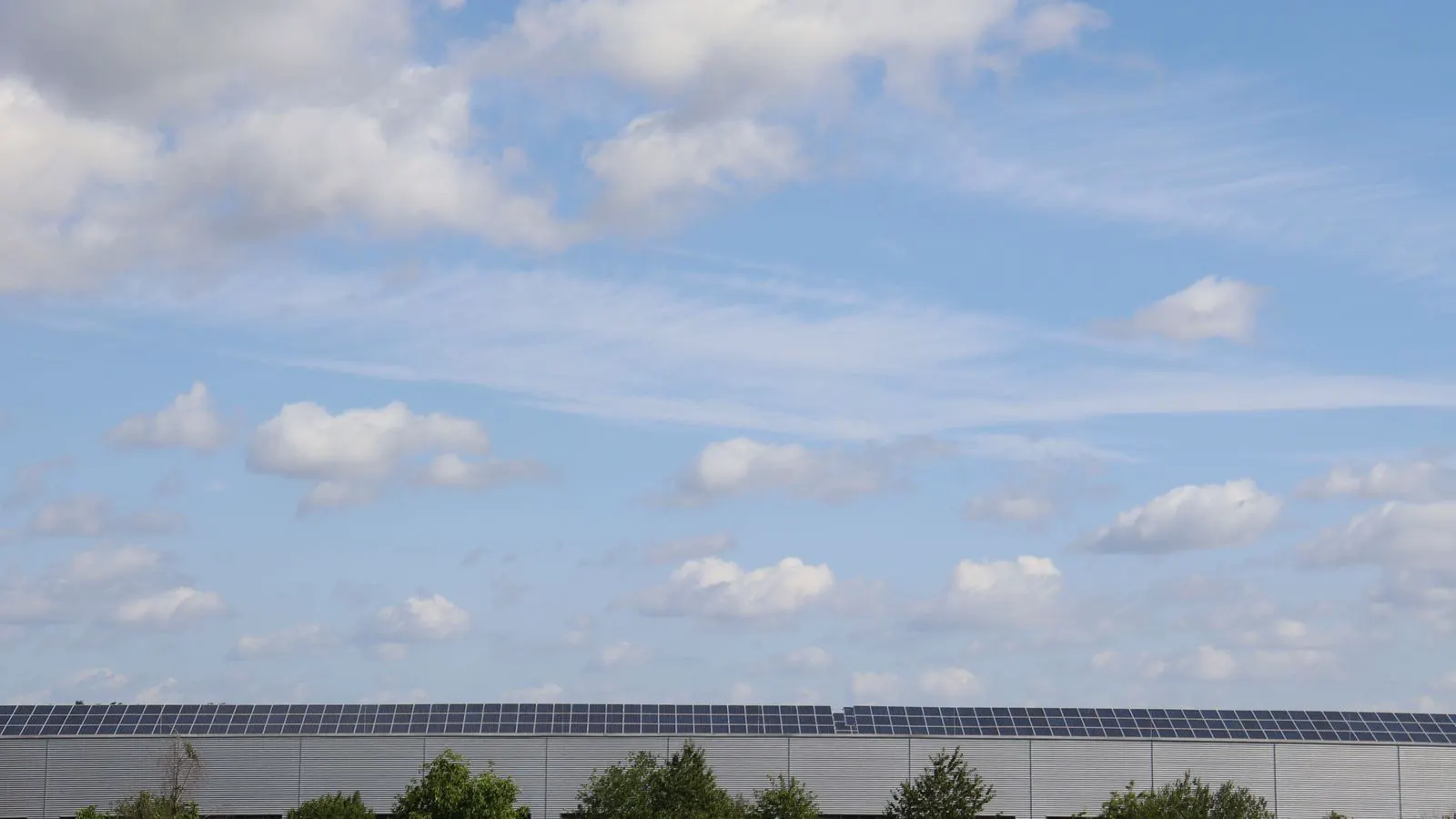
Start with the stage of the sourcing process you are in.
Compare ballasted, racking, and clip styles for different roof materials, pitch, and orientation.
Explore fixed-tilt, dual-axis, and tracker options for land-based installations with site-specific load data.
Review single-axis and dual-axis tracking systems, including torque, payload, and maintenance considerations.
Evaluate aluminum, steel, and composite racking, plus coating and corrosion protection for harsh environments.
Understand how local wind, snow, and uplift affect racking design, fastening, and structural safety.
Review material costs, labor, permitting, and installation steps that influence total project value.
Learn how to assess supplier reliability, certification, technical support, and after-sales service.
A pre-deployment checklist for concrete ballasted systems. It covers site preparation, ballast placement, ground mount verification, and structural checks to help
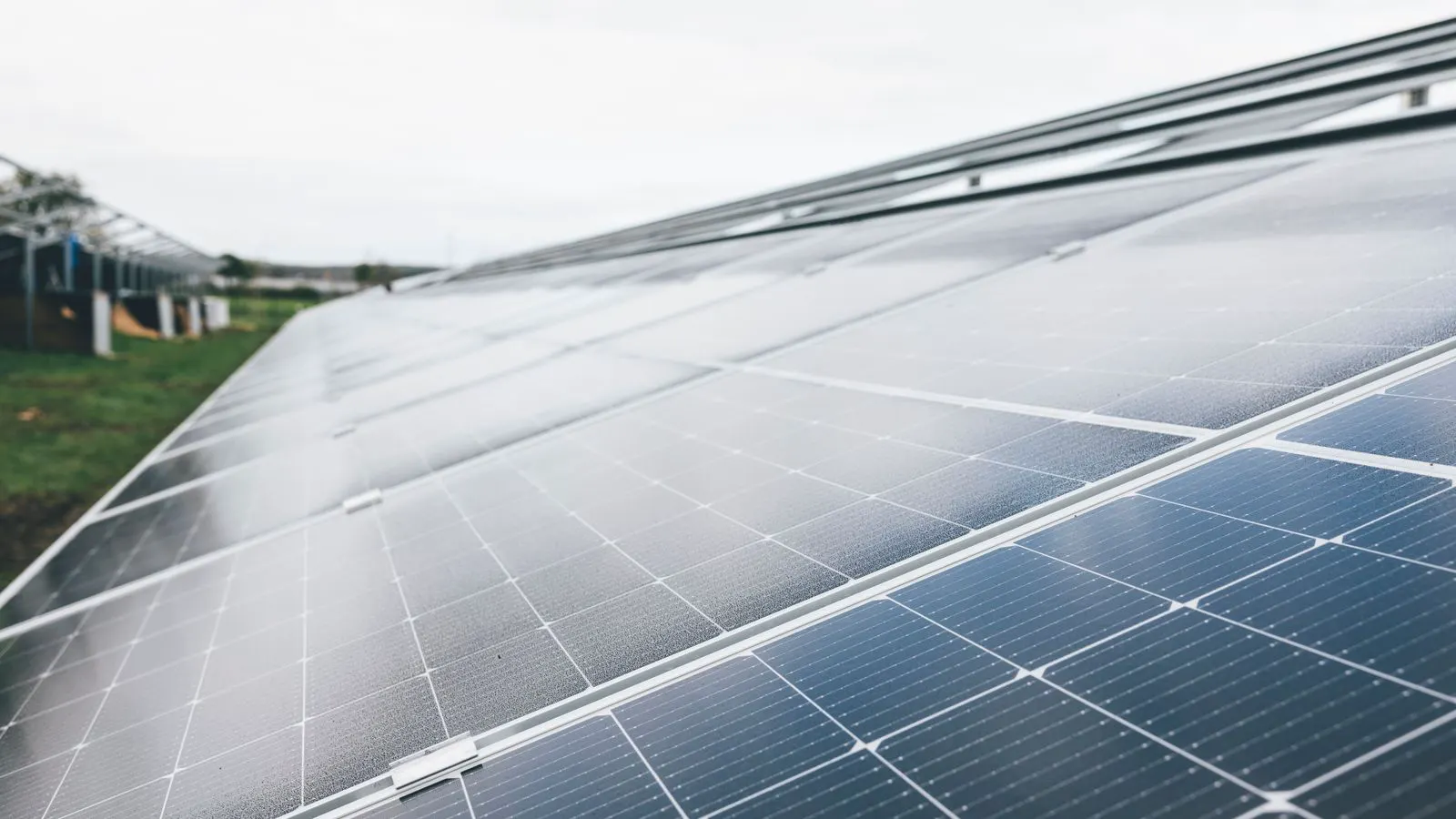
To choose racking for coastal sites, prioritize materials with high salt resistance, such as composite solar mount options or high-grade aluminum. Verify coating
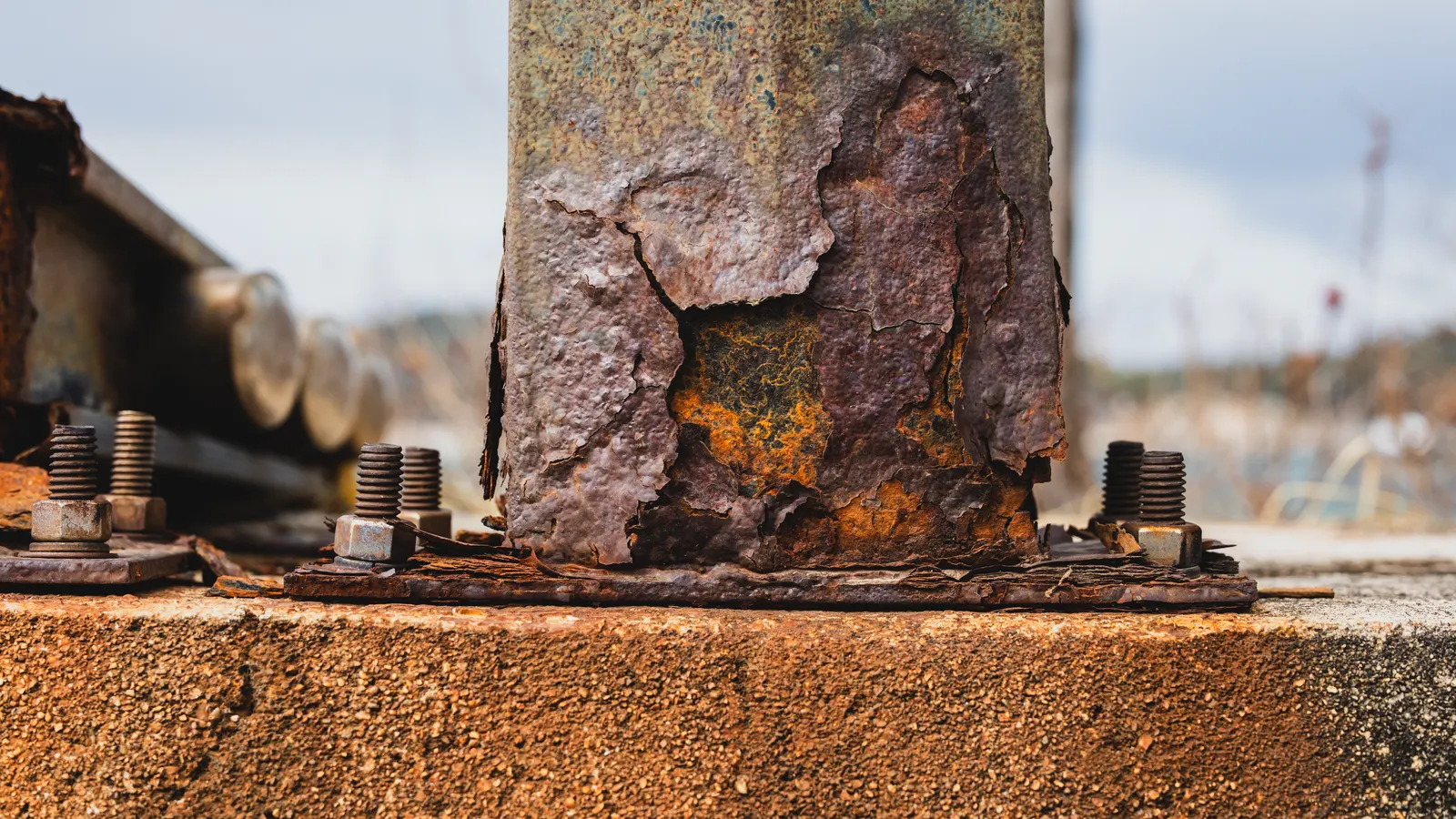
This guide outlines how to identify, remove, and treat rust on existing steel racking. It covers assessment methods, repair steps, and coating practices to prevent
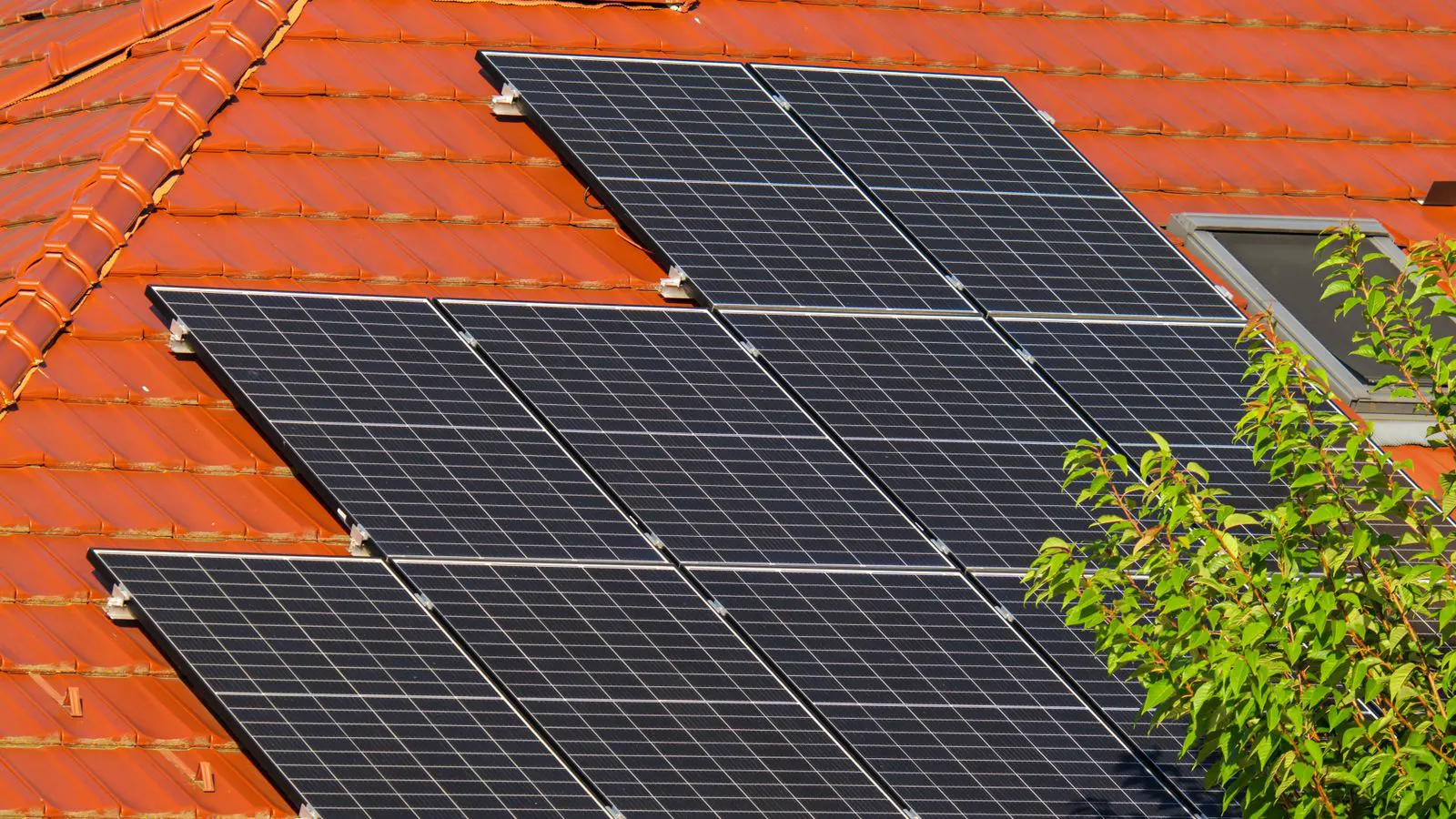
Roof uplift reverses the direction of force on solar racking, pulling panels away from the roof deck. This changes how structural engineers calculate loads and which

Early corrosion on solar racking end plates weakens clamps, reduces bolt torque, and risks warranty claims. This guide lists symptoms, causes, and repair actions for
Sourcing solar racking locally or internationally changes both price and delivery windows. Domestic suppliers offer faster installation but higher material costs.
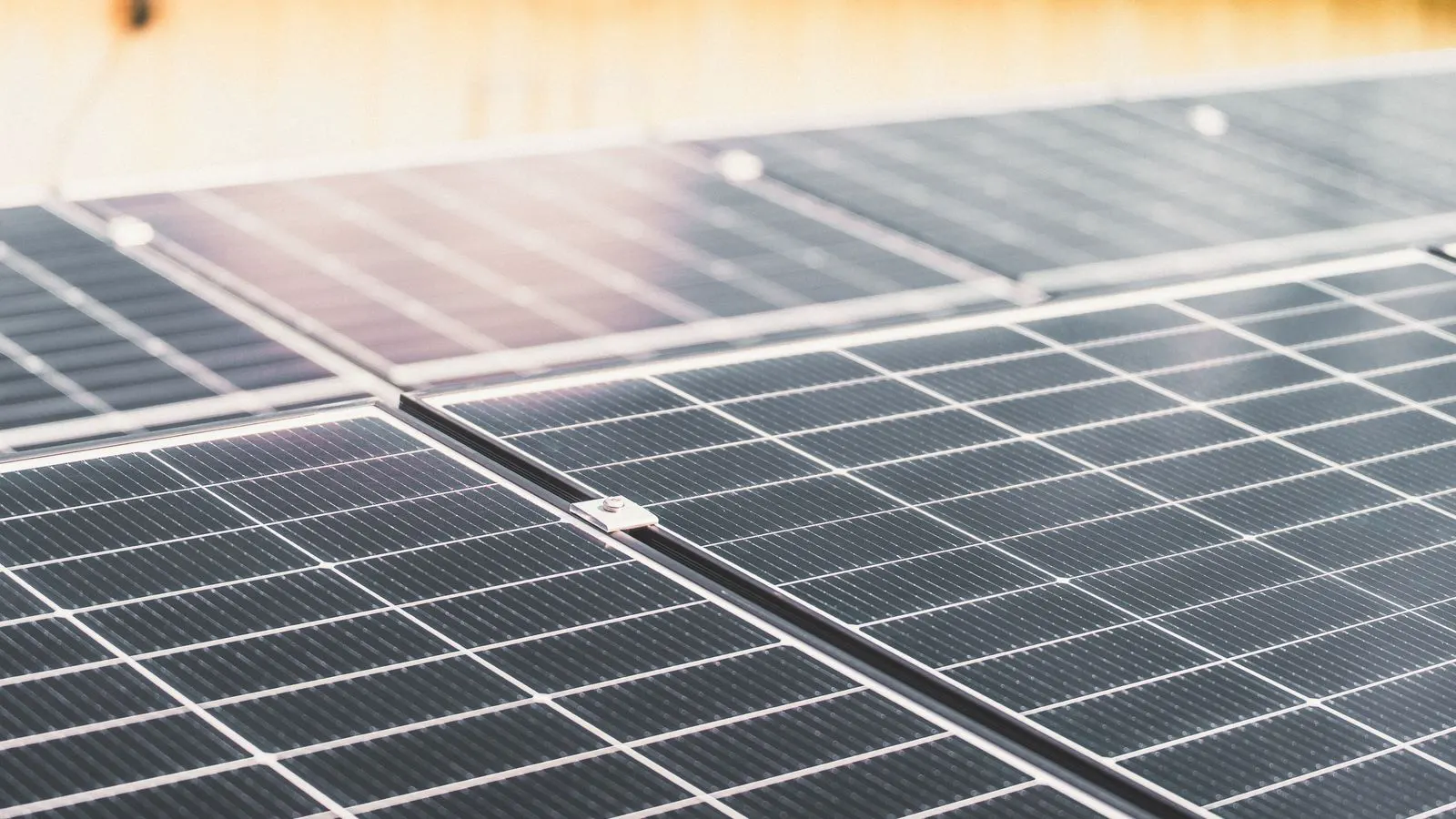
Solar site prep requires surveying, grading, soil testing, and utility coordination. Proper preparation prevents structural failure, drainage issues, and costly rework

Selecting the right anchors for high snow regions requires balancing dead load, uplift resistance, and thermal movement. This guide evaluates anchor types, connection
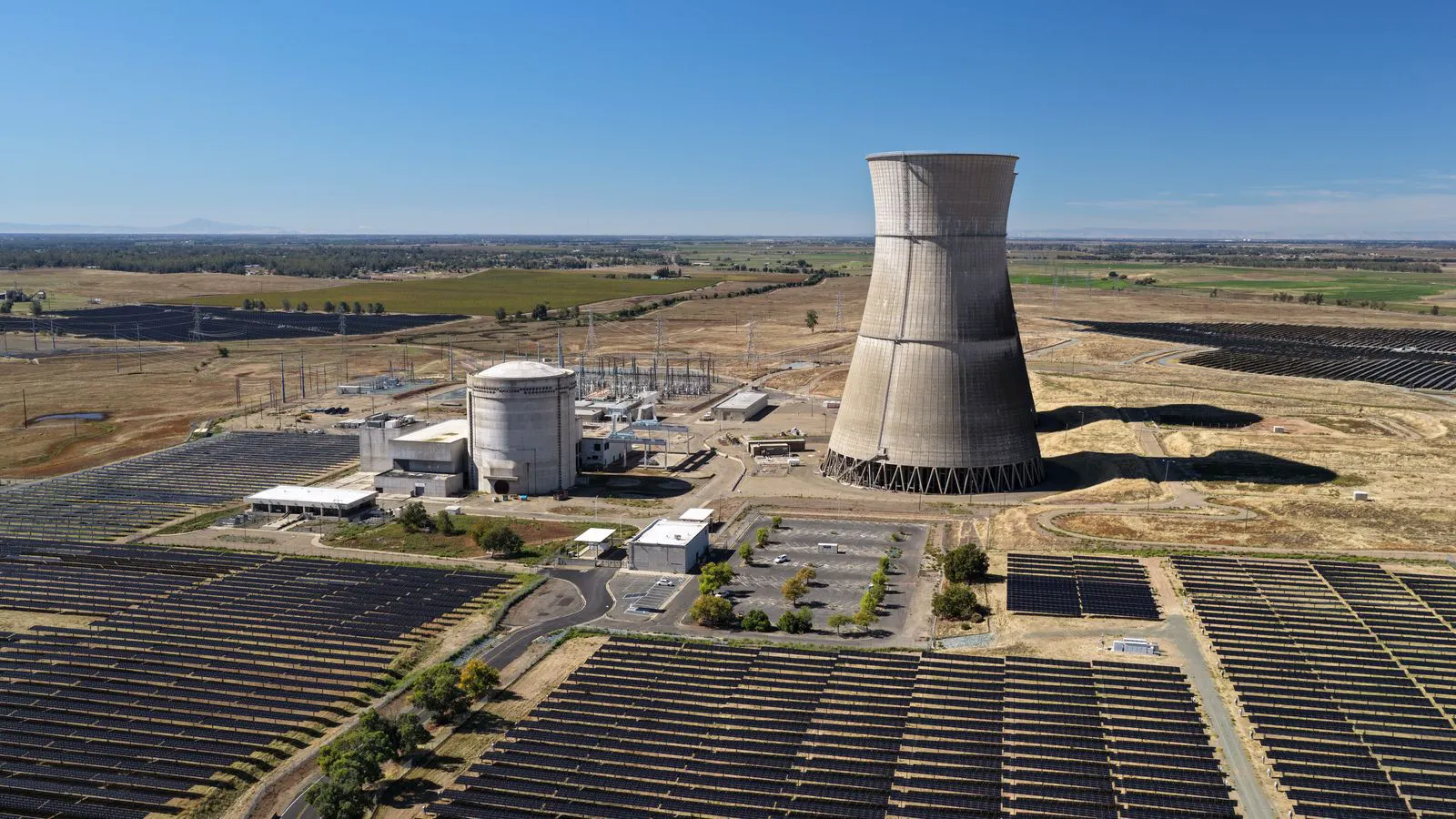
A dual axis tracker uses two independent axes to follow the sun's path across the sky, maximizing daily energy capture. This article explains the mechanical components
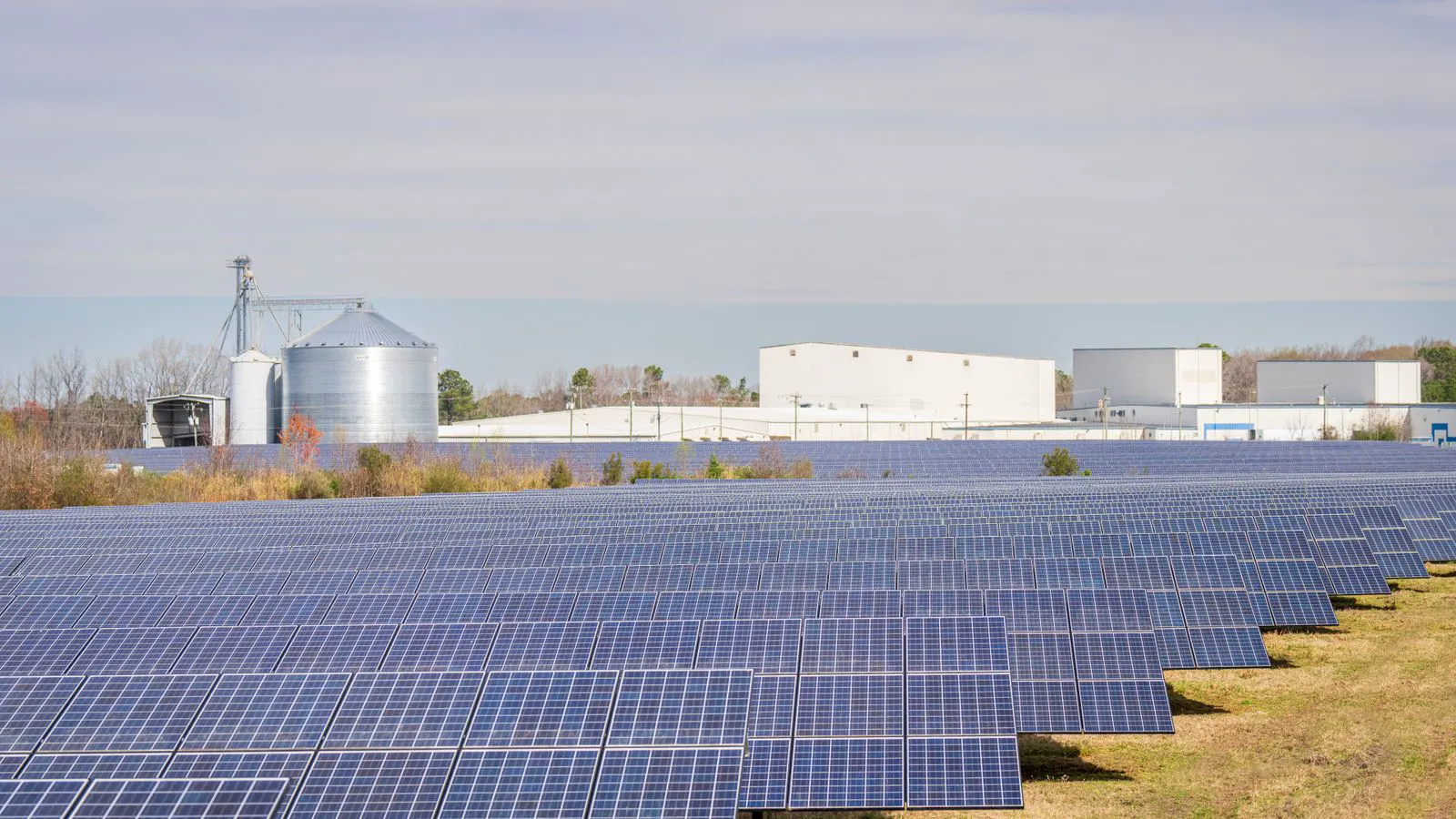
Robotic racking and automated solar installation tools reduce manual labor, improve placement accuracy, and speed up field operations. Buyers should plan for workflow
A fixed roof mount uses static rails and clamps attached to the roof structure. A tracker uses a mechanical base that rotates or translates to follow the sun. Trackers require more structural analysis, higher maintenance, and more power for the drive mechanism.
Steel offers high strength-to-weight ratio and lower material cost, but requires a corrosion protection system like hot-dip galvanizing or coating. Aluminum is lighter and resists rust, but is more expensive and has lower yield strength. The choice depends on soil conditions, transport limits, and long-term maintenance access.
Ask for the maximum design wind speed and pressure the system is certified for, along with the test standard used. Verify that the mounting hardware, not just the rail, is rated for that load. Check the orientation of the test, as wind on the front, side, and back of an array behaves differently.
Ballast relies on the weight of concrete or steel blocks to hold the structure down instead of driving piles. It works well on flat, non-porous surfaces like rooftops or gravel pads. It is often unsuitable for soft soil or areas where ground penetration is required for stability.
Request the structural analysis report, material mill certificates, coating inspection reports, and the warranty terms. Ask for the installation manual with torque specifications for every fastener. Also ask for the expected lead time and the terms for replacement parts.
Snow adds downward weight, which increases the stress on rails and anchors. It can also cause sliding on low-slope roofs, which requires additional friction or sliding control. The design must account for the maximum snow depth for the location, not just the average.