Buyers Guide: Choosing Anchor Types for Snow-Prone Regions

Selecting the right anchors for high snow regions requires balancing dead load, uplift resistance, and thermal movement. This guide evaluates anchor types, connection methods, and structural requirements to ensure long-term system stability and safety.
- Snow load creates significant vertical dead load and horizontal sliding forces that differ from wind uplift.
- Anchor selection must account for roof material, snow accumulation depth, and thermal expansion.
- Proper load path design prevents fastener pull-out and roof membrane damage.
- Regular inspection after heavy snow events prevents progressive structural failure.
Understanding Load Differences in Snow-Prone Zones
Snow accumulation changes the structural demands on a solar array. Unlike wind, which primarily pulls panels upward and creates suction forces, snow adds weight. This weight presses the mounting hardware into the roof. The horizontal component of snow sliding also creates shear forces along the roof plane.
The total load on the structure equals the sum of dead load and live load. Dead load includes the weight of the panels, racking, wiring, and ballast. Live load represents the temporary weight of accumulated snow. In regions with heavy snowfall, the live load can exceed the design load of standard residential mounting systems. Engineers must calculate the expected snow depth and density to determine the maximum load the structure must withstand.
Wind uplift remains a factor even in snow-prone areas. Snow can change the aerodynamic profile of a roof. A thick snow layer can create uneven pressure distribution across the roof surface. This can increase local uplift forces on the edges of the roof and around penetrations. The interaction between wind and snow requires careful analysis of the combined load case.
Evaluating Anchor Types for Vertical and Shear Forces
The primary function of an anchor in a snow-prone region is to resist downward pull-out and horizontal shear. Standard roof anchors designed for low-snow areas may not provide sufficient embedment depth or shear capacity. Engineers evaluate anchor types based on their load capacity in each direction.
Screw-in anchors and lag bolts are common for wood decking. These anchors rely on the thread engagement with the wood fibers. In high-snow areas, the embedment length must be sufficient to prevent the anchor from tearing through the wood. Shorter anchors may fail under the sustained load of deep snow accumulation.
For metal roofs, structural screws and drive screws are typical. These anchors rely on the mechanical interlock with the roof panel. The choice between a standard structural screw and a high-torque drive screw depends on the roof gauge and the expected load. Thinner metal roofs require anchors with a wider bearing surface to prevent panel deformation.
Assessing Roof Material Compatibility
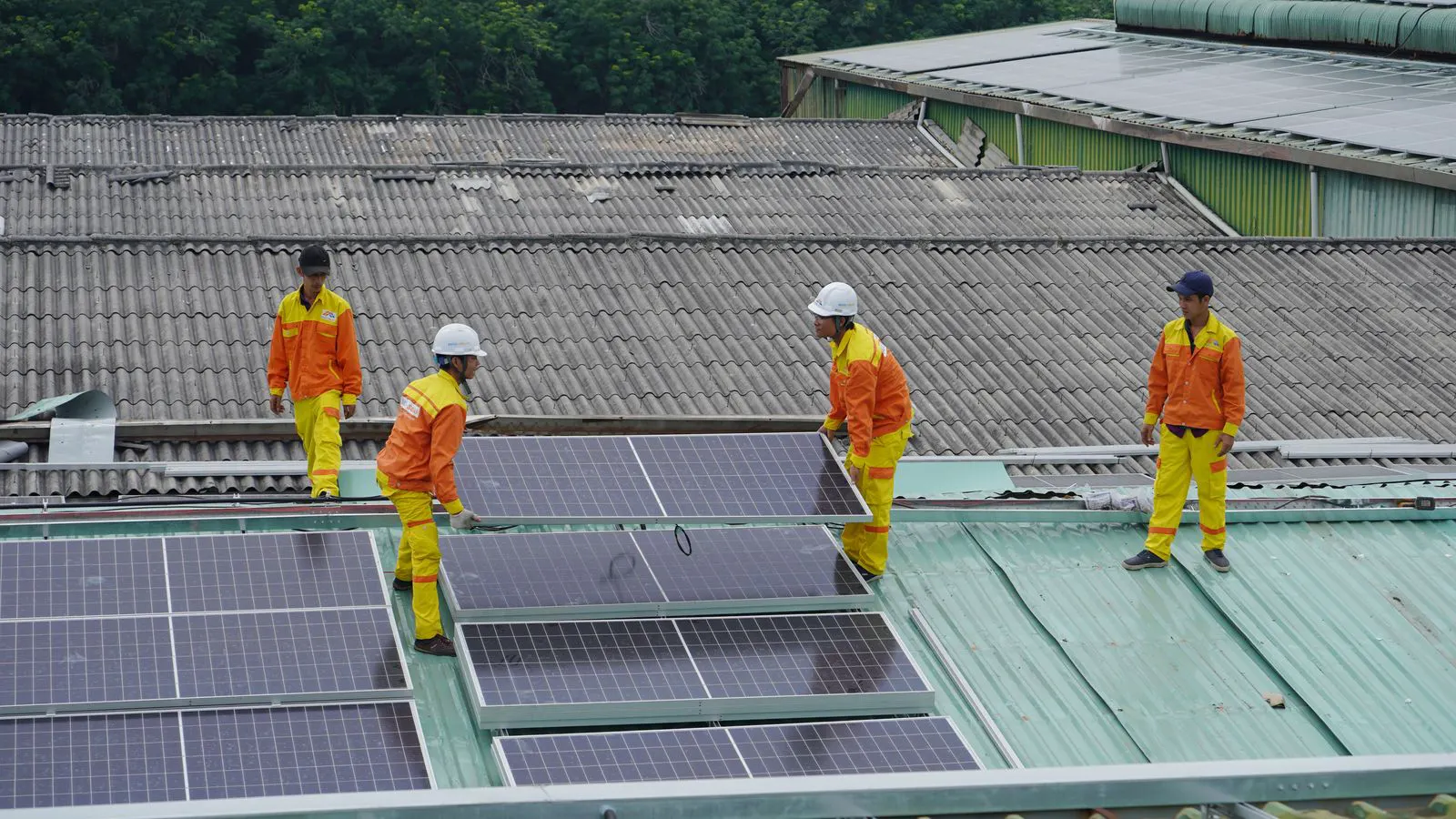
The roof material dictates the anchor selection and installation method. Wood shingles, metal panels, tile, and membrane roofs each present unique challenges. The anchor must transfer the load safely to the structural framing without damaging the weather barrier.
Wood shingle roofs require anchors that penetrate to the sheathing or rafters. Anchors that only engage the shingle material will fail under sustained load. The drill bit size and anchor diameter must be selected to avoid splitting the shingle. Pre-drilling is often necessary to prevent wood fiber crushing, which reduces the shear capacity of the connection.
Metal standing seam roofs present a different challenge. The structural seams are the only points where the roof is connected to the framing. Anchors must be installed at the seam or use a clamp that straddles the seam without penetrating the water-tight channel. Drilling into the flat panel can compromise the roof’s waterproofing. The load path must transfer the force through the seam to the framing below.
Tile roofs require care to avoid breaking the tiles. Special anchors or brackets designed for tile roofs are used to distribute the load. The anchor must be placed in a location that does not interfere with the tile overlap pattern. The load path must transfer the force to the tile base or the underlying sheathing.
Considering Thermal Movement and Material Expansion
Snow and ice cause temperature fluctuations that affect the mounting system. The metal racking and panels expand and contract with temperature changes. The roof material also expands and contracts at a different rate. If the anchors are too rigid, they can create stress concentrations that lead to fatigue failure.
Flexible connectors and sliding elements are used to accommodate thermal movement. These components allow the racking to shift slightly relative to the roof without transferring excessive force to the anchors. The anchor selection must account for this movement. Rigid anchors without a sliding element may crack the roof membrane or pull out of the wood over time.
The thermal expansion coefficient of the racking material and the roof material must be considered. Aluminum racking expands more than steel racking. The roof material expansion rate also varies. Engineers calculate the expected movement and design the connection to allow for it. The anchor hardware must be rated for cyclic loading and thermal stress.
Reviewing Structural Design Requirements and Codes
Local building codes and engineering standards set the minimum requirements for solar mounting systems. These codes specify the snow load, wind load, and seismic load that the structure must withstand. The solar structural design must comply with these requirements. The design is usually prepared by a professional engineer and stamped for the building department.
The snow load calculation is based on the ground snow load for the location. This value is adjusted for roof slope, exposure, and importance factor. The resulting roof snow load is then multiplied by a safety factor to determine the design load. The mounting system must be designed to withstand this load without exceeding the allowable stress of the materials.
The load path must be continuous from the panel to the structural framing. Each component in the path must be rated for the load. The anchors, rails, clamps, and penetrations must all be sized appropriately. A weak link in the load path can cause the entire system to fail. The engineer must verify the capacity of each connection and component.
Practical Selection Criteria for Anchor Hardware
Buyers and engineers use specific criteria to evaluate anchor hardware. The table below summarizes the key factors to consider when selecting anchors for snow-prone regions.
| Criterion | What to look for | Why it matters |
|---|---|---|
| Embedment depth | Minimum 1.5 times the anchor diameter for wood | Prevents tear-out under sustained load |
| Shear capacity | Rated for horizontal sliding forces | Resists snow slide forces along the roof |
| Bearing surface | Large washer or bearing plate for metal roofs | Prevents panel deformation and puncture |
| Material compatibility | Stainless steel or hot-dipped galvanized | Resists corrosion in humid, wet conditions |
| Sliding allowance | Flexible connector or sliding element | Accommodates thermal expansion and contraction |
| Pull-out resistance | High-torque or threaded design | Prevents anchor pull-out under dead load |
The embedment depth is a critical factor for wood roofs. A deeper anchor provides more wood fiber engagement and increases the pull-out resistance. The shear capacity must be sufficient to resist the horizontal force of sliding snow. The bearing surface for metal roofs must be large enough to distribute the load over a wide area.
Material compatibility is also important. In regions with heavy snow and moisture, the anchor hardware is exposed to water and condensation. Stainless steel and hot-dipped galvanized steel are preferred for their corrosion resistance. The fastener threads and shank must be protected from corrosion to maintain their strength over time.
Inspection and Maintenance After Snow Events
After a heavy snow event, the mounting system must be inspected for damage. The snow load can cause permanent deformation of the racking or roof panels. The anchors may have loosened or pulled out of the substrate. A visual inspection is necessary to identify any signs of distress.
The inspection should check for the following:
- Anchor pull-out or loosening
- Roof panel deformation or puncture
- Rail bending or twisting
- Clamp damage or failure
- Membrane tears or water intrusion
If any damage is found, the system must be repaired before the next snow event. The repair must be performed by a qualified technician who uses the same or equivalent hardware. The load path must be restored to its original capacity. The inspection report should be kept for the building record.
Regular maintenance is recommended for all solar mounting systems. The frequency of inspection depends on the local snow conditions and the age of the system. In high-snow regions, annual inspections are recommended after the winter season. The inspection should include a check of the anchor torque and the condition of the roof penetration seals.
Decision Checklist for Anchor Selection
The following checklist can be used to verify the anchor selection for a snow-prone solar installation.
- Verify the local ground snow load and roof snow load from the building code.
- Confirm the structural design includes the combined load case of snow and wind.
- Check the embedment depth of the anchors for the roof material.
- Verify the shear capacity of the anchors for horizontal sliding forces.
- Ensure the bearing surface is adequate for metal roof panels.
- Confirm the anchor material is corrosion resistant for the local environment.
- Check for sliding allowance to accommodate thermal movement.
- Verify the load path is continuous to the structural framing.
- Confirm the anchor hardware meets the engineering requirements.
- Plan for post-snow inspection and maintenance.
The selection of anchor types is a critical part of the solar structural design. The anchors must be selected based on the load requirements, roof material, and environmental conditions. A well-designed mounting system provides safety, durability, and performance in snow-prone regions.
Frequently asked questions
What is the difference between snow load and wind uplift in mounting design?
Snow load adds weight to the structure and creates vertical pull-out and horizontal shear forces. Wind uplift creates suction forces that pull the structure upward. The two loads must be combined in the design.
How do I determine the required embedment depth for wood roof anchors?
The embedment depth depends on the anchor diameter, wood species, and expected load. A general rule of thumb is 1.5 times the anchor diameter, but the engineer must verify the capacity for the specific application.
Can standard solar mounting anchors be used in high-snow regions?
Standard anchors are often designed for low-snow or residential applications. They may not provide sufficient pull-out or shear resistance for high-snow regions. The anchor selection must be based on the specific load requirements.
Do I need a sliding element in the mounting connection?
A sliding element is recommended to accommodate thermal expansion and contraction. Without it, the rigid anchors can create stress concentrations and lead to fatigue failure over time.
How often should I inspect the mounting system after a snow event?
The system should be inspected after every heavy snow event to check for damage. Annual inspections are recommended in high-snow regions. The inspection should include a check of the anchor torque and roof penetration seals.